
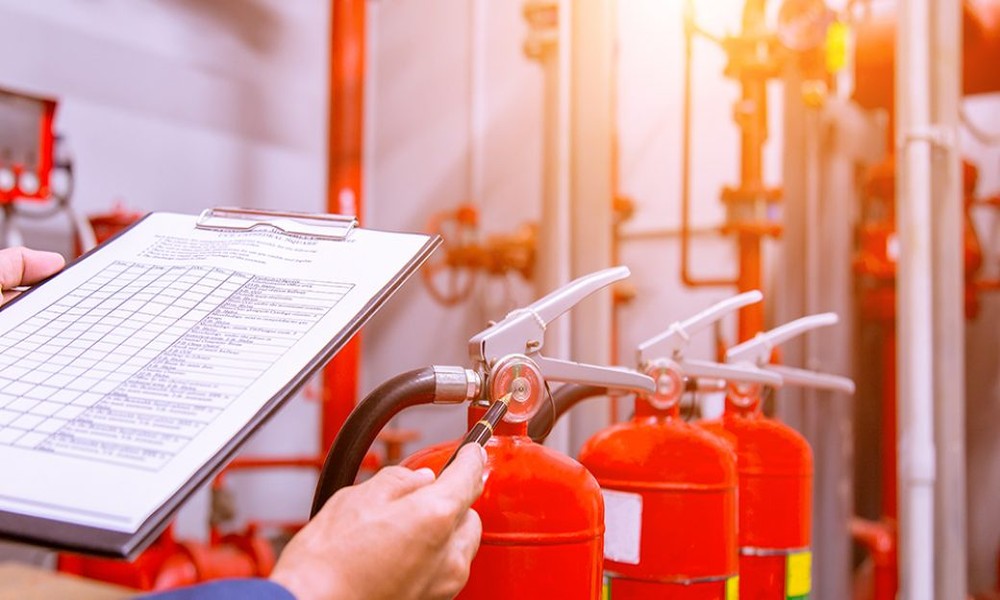
Regular fire safety inspections are essential for protecting your property, employees, and assets from fire-related risks. Implementing a consistent inspection schedule helps identify hazards, maintain equipment, and ensure everyone knows how to respond in an emergency. Here are four key benefits of conducting regular fire safety inspections.
Detection of Potential Fire Hazards
Regular inspections help identify potential fire hazards before they become serious threats. Common hazards include:
- Electrical issues: Faulty wiring or overloaded circuits can spark fires if not addressed promptly.
- Combustible materials: Items such as paper, fabric, and other flammable materials should be stored safely away from heat sources.
- Poor ventilation: Inadequate airflow can allow smoke and fumes to accumulate, increasing fire risks.
By detecting and addressing these hazards early, you can significantly reduce the chances of a fire occurring.
Early Warning in the Event of a Fire
Most fires begin small, giving occupants a chance to respond if they are alerted quickly. Functional smoke alarms and early detection systems are critical for providing this warning.
Regular inspections ensure that these devices are operational, allowing individuals to evacuate safely. In the event of a fire, never attempt to re-enter a building-your priority should be to stay safe and allow emergency responders to handle the situation.
Maintenance and Repair of Fire Safety Equipment
Fire safety equipment such as extinguishers, smoke detectors, and sprinklers must be maintained to work effectively. Regular inspections ensure:
- Fire extinguishers are serviced and fully charged.
- Smoke detector batteries are replaced as needed.
- Sprinkler systems are operational and free from blockages.
Maintaining this equipment ensures it will function properly during an emergency, helping to protect lives and property.
Documentation of Fire Safety Measures for Insurance Purposes
Up-to-date records of fire safety measures can streamline insurance claims and minimize financial losses after a fire. Proper documentation may include:
- An inventory of fire safety equipment, including extinguishers and sprinklers.
- Floor plans showing exits and emergency evacuation routes.
- Written procedures for evacuating the premises safely.
Having accurate documentation ensures compliance with insurance requirements and can prevent delays or denied claims in the event of an incident.
Conclusion
Regular fire safety inspections offer numerous benefits, from identifying potential hazards and ensuring early detection to maintaining equipment and keeping documentation current.
By prioritizing inspections, you create a safer environment for employees and visitors while protecting your property and minimizing financial risks. Regular fire safety inspections are a proactive step that no business should overlook.