
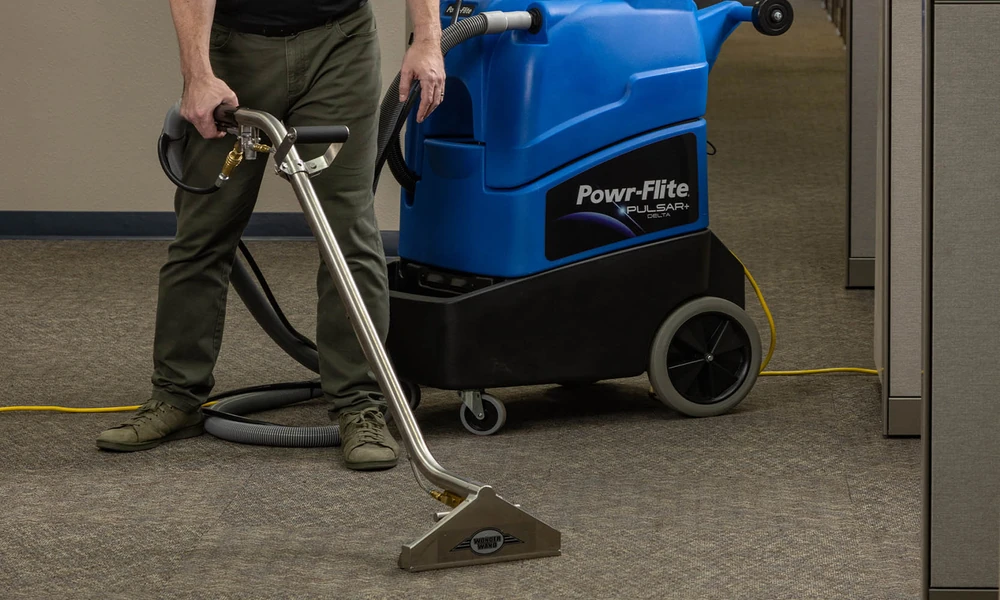
A Aurora equipment decision becomes clearer once the room is described in practical terms. In a living-room spill that travelled beneath an area rug before it was noticed, the useful question is what remains wet, airborne or uncertain after the first cleanup pass – not which machine sounds most capable.
Set fair comparison criteria for living-room spill that travelled beneath an area rug before it was noticed
Begin with the physical evidence: a clean-looking rug face with a damp underlayer near the coffee table. A description like that is more useful than a blanket label such as ‘wet room,’ because it gives the next decision a material and a location.
The room also needs a boundary. With a living-room spill that travelled beneath an area rug before it was noticed, a reader should mark where the condition begins, where it appears to stop and which nearby finish might be affected without looking dramatic. That boundary helps prevent equipment from being placed in the open middle while the actual concern stays hidden at an edge or beneath an object.
Look at what each category can change for living-room spill that travelled beneath an area rug before it was noticed
Avoid relying on a household wet vacuum without checking whether the backing and pad are still holding water. That shortcut tends to make the easiest surface the benchmark, even though it may not be the part of the room carrying the most moisture or debris.
Because a clean-looking rug face with a damp underlayer near the coffee table, the room should be considered from the perimeter inward. Furniture, trim, mats and storage can all create blind spots. A rental plan should allow the affected edge to be exposed or inspected without turning the room into an obstacle course for residents or tradespeople.
The equipment conversation should start by asking whether to compare the water-removal path with the material depth and the amount of liquid that is still trapped. That question keeps the scope realistic for a homeowner, renter or property manager.
The decision is stronger when it stays tied to this practical aim: compare the water-removal path with the material depth and the amount of liquid that is still trapped. Framing the task this way makes it easier to ask about placement, run time and the conditions that would mean the room needs a different response.
Consider the room from the perspective of the least convenient material. In a living-room spill that travelled beneath an area rug before it was noticed, that may be the area described as a clean-looking rug face with a damp underlayer near the coffee table, not the part of the floor that is easiest to reach or explain.
A plan built around that inconvenient spot will usually be more honest about placement, access and time. It also makes relying on a household wet vacuum without checking whether the backing and pad are still holding water less likely, because the plan has been designed around the part most likely to be missed in a living-room spill that travelled beneath an area rug before it was noticed.
The rental choice can then stay modest and purposeful: compare the water-removal path with the material depth and the amount of liquid that is still trapped. That is a better standard than trying to make the whole room look normal in one pass.
This comparison is about functions, not a claim that one category wins every time. In a living-room spill that travelled beneath an area rug before it was noticed, the relevant contrast is between the work of removing held water, controlling room conditions and checking an uncertain material. Each function has limits that the others cannot erase.
The comparison stays fair by returning to a clean-looking rug face with a damp underlayer near the coffee table and then to whether the underside and border tell the same story as the visible surface. If the selected category does not change the condition it was chosen for, the next move is to reconsider the sequence rather than repeat the same rental by default.
Avoid claiming one tool can do another tool’s work for living-room spill that travelled beneath an area rug before it was noticed
Readers who need a concrete category reference can review the rental listing for Aurora carpet water extractor. In a living-room spill that travelled beneath an area rug before it was noticed, the page is useful as a rental reference; it does not remove the need to decide whether the room has been prepared for that category.
The trade-off in this case is between speed and clarity. Adding equipment before the need is clear can make placement harder and obscure a clean-looking rug face with a damp underlayer near the coffee table.
Turn the comparison into a sequence for living-room spill that travelled beneath an area rug before it was noticed
The best time to change the plan is when whether the underside and border tell the same story as the visible surface. That observation can point toward a different placement, a different category or a need for professional assessment.
At the end of the first run, return to whether the underside and border tell the same story as the visible surface. Compare the same edge, material or room condition with the first notes, and avoid declaring success because the easiest surface looks better. If the uncertain area is unchanged, the next move may be a different rental role or a professional inspection rather than more of the same.
A comparison only becomes useful once the material and the water load are clear.