
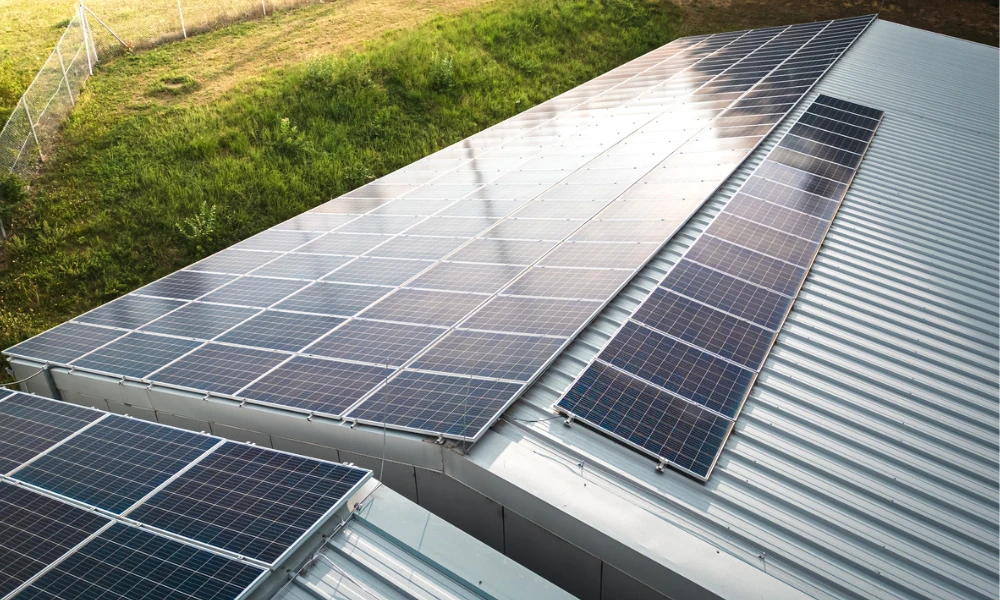
Installing a residential solar system involves several technical and practical considerations, from understanding household energy use to positioning equipment and checking the completed system. Professional involvement can help coordinate these different stages and provide a structured approach to the project. Careful planning can also help ensure that the selected system is appropriate for the property’s physical characteristics and electricity requirements.
Assessing the Property and Energy Requirements
A professional solar assessment can begin by reviewing the property’s electricity consumption and available installation area. Recent electricity bills can provide information about average energy use, while household routines can indicate periods of higher demand.
The property itself can also be inspected for roof size, orientation, condition, shading, and available installation space. For projects involving Perth Solar Power Installations, these details can help establish practical requirements before equipment and system specifications are finalized.
Developing a Suitable System Design
Once energy requirements and property conditions are understood, a suitable system design can be developed. The planned capacity should correspond with the household’s electricity consumption and the amount of usable space available for solar equipment.
The design can determine panel positioning, inverter placement, mounting arrangements, cable routes, and other technical details. A clear design provides a framework for the installation and helps ensure that individual components work together as intended.
Selecting Compatible Equipment
Solar panels are only one part of a complete residential system. Other components can include inverters, mounting equipment, electrical connections, monitoring devices, and protective equipment.
Compatibility between these components is important because each part needs to operate as part of the same system. Equipment selection should also account for the property’s available space, electricity requirements, and installation conditions.
Managing the Installation
Professional involvement can help coordinate the practical stages of installation. The roof and installation area can be prepared before mounting equipment is positioned, while panels can then be secured according to the planned layout.
Electrical connections and cable routes also need careful attention. Managing these tasks in an organized sequence can help reduce installation complications and support accurate placement of the system components.
Testing System Performance
After the equipment has been installed and connected, the completed system should be tested. Panels, inverters, electrical connections, monitoring equipment, and other relevant components can be checked for proper operation.
Testing can help identify installation issues before the system is placed into regular use. Monitoring functions may also be reviewed to ensure that energy production information is being recorded correctly.
Supporting Long-Term System Operation
Professional involvement does not necessarily end when installation is completed. Information about system monitoring, maintenance, inspections, and troubleshooting can help households understand how to manage their solar equipment over time.
Ongoing support can also make it easier to address unexpected changes in system performance. Regular attention to the condition of the equipment can help maintain reliable energy production and identify potential problems at an early stage.
Coordinating the Solar Installation Process
A residential solar project involves interconnected decisions about energy requirements, system design, equipment, installation, testing, and ongoing operation. Professional coordination across these areas can provide a structured approach and help ensure that the completed system is properly suited to the property and its electricity needs.