
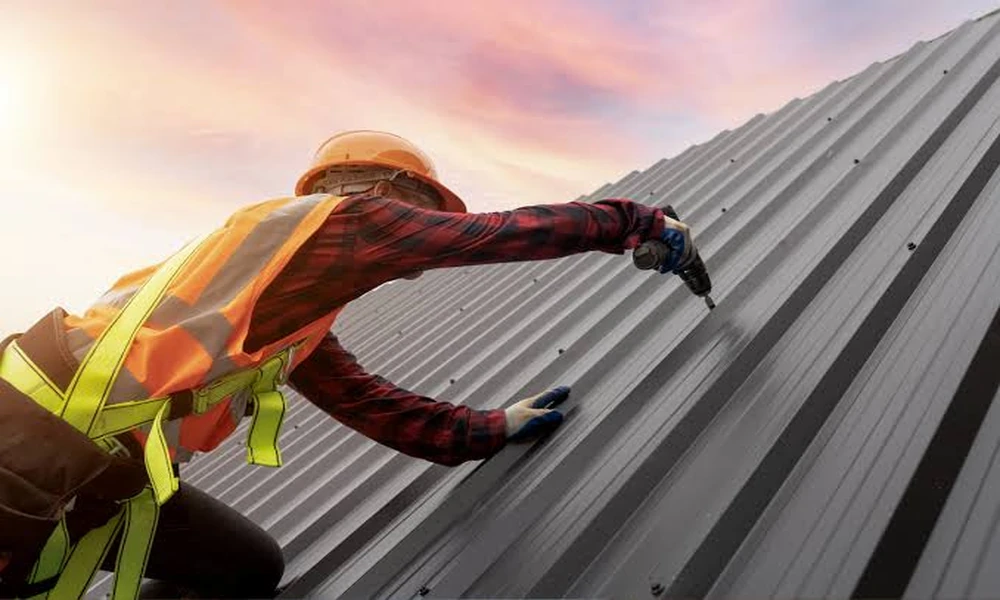
Choosing the right contractor to handle the roofing of your commercial property is far more complicated than just comparing the cost of materials and duration of the project. There are many dangers associated with commercial roofing sites, including elevated surroundings, high-voltage equipment, and heavy machinery. It is critical to choose a roofer that will take strict safety precautions in order to protect the integrity of your property, reduce financial liability, and get quality work done.
By collaborating with experienced professionals, such as RGB Construction, you can be certain that each step of your roofing process will meet all the necessary safety and structural codes.
How Compliance with Safety Standards Protects Your Commercial Property
The safety standards of your contractor will directly influence your bottom line. Any incident occurring on the construction site may cause expensive project delays and increase liability risks for the property owner. Professionally trained commercial roofers have consistently low Experience Modification Rates (EMR), which proves their commitment to worker protection and risk management.
Strict compliance with the standards set forth by the Occupational Safety and Health Administration (OSHA) will ensure your work is uninterrupted and no regulatory issues or fines arise.
Active Fall Protection: The Essential Standard in the Industry
Falling is the largest risk factor in the elevated construction industry. OSHA requires fall protection systems to be used for technicians working in elevated environments. An experienced commercial specialist uses passive and active fall protection systems:
Guardrail Systems: Perimeter railings that are capable of resisting forces of 200 pounds or more.
- Personal Fall Arrest Systems (PFAS): Harnesses and lanyards with certified anchor points for edge work.
- Warning Line Systems: Warning zones marked to alert technicians of the rooftop perimeter.
| Safety System | Primary Function | Required Standard |
|---|---|---|
| Guardrails | Passive boundary protection | Must withstand 200 lbs force |
| Personal Fall Arrest | Active fall prevention harness | Mandatory within 6ft of edges |
| Site Hazard Audits | Identifies structural risks | Completed prior to work kick-off |
Comprehensive Site Risk Mitigation and Daily Processes
The best commercial contractors always perform a comprehensive risk assessment before starting any work. There are certain structural weaknesses on the roof surface that include: lack of decking for skylights, aging HVAC curbs, and compromised decking.
Industry leaders use required daily checklist processes:
- Pre-Work Safety Briefings: Brief daily meetings to assign tasks and review existing site risks.
- Personal Protective Equipment: Ensuring that workers wear proper head, foot, eye, and heat management protection.
- Material Handling Lines: Providing drop zones and hoist points for safe material handling without the risk of falling objects.
Verification List for Checking Commercial Roofers
Before signing a contract for your business, you need to verify that commercial contractors have the following safety qualifications:
- OSHA Compliance Documentation: Field supervisors should have an OSHA 30-Hour qualification.
- Complete Insurance Policies: They should have general liability insurance, as well as workers’ compensation insurance.
- Emergency Response Procedures: Proper procedures for evacuation and first aid, as well as dealing with extreme weather conditions.
- Equipment Maintenance Logs: Hoists, rigging, scaffolding, and harnesses must be inspected.
Compliance with Safety Regulations Using RGB Construction
Using an experienced commercial expert makes complicated construction easy. The certified staff at RGB Construction implements tough safety management practices in each commercial roof repair, restoration, and replacement that it undertakes. They ensure a lasting roofing installation through their commitment to regular training, equipment maintenance, and modern OSHA safety standards.
Key Considerations for Owners of Commercial Buildings
Ensuring safety compliance helps safeguard both the building owner’s investment and the process itself. Focus on commercial roofers that can demonstrate proof of safety compliance, use fall protection systems, and conduct detailed site inspections daily.