
When the ground beneath a home begins to shift, it can feel like the entire foundation of one’s daily life is suddenly uncertain. For many homeowners in this region, this awareness often arrives through subtle clues: a door that no longer latches, a hairline crack that seems to widen over the seasons, or a basement floor that feels perpetually damp. These are not merely cosmetic concerns; they are the early signals of a home’s structural response to the environment. Understanding why these changes happen and how to address them is a crucial step in maintaining the safety and longevity of a property.
The Factors That Influence Structural Stability
The ground beneath a structure is dynamic. Soil composition, moisture levels, and temperature cycles all play roles in how a foundation behaves. In many areas, the soil can be sensitive to moisture, expanding when wet and shrinking when dry. This cycle of expansion and contraction creates movement. Over time, this repetitive shifting can cause structural elements to settle unevenly, placing stress on concrete walls and floor slabs.
Furthermore, the climate in this part of the country adds another layer of complexity. The freeze-thaw cycle can exert significant pressure on foundations. When water trapped in the soil freezes, it expands, pushing against basement walls. As it thaws, the soil may shift or settle into the void created by the ice. Over many years, this process can lead to the formation of cracks, the bowing of walls, or the displacement of footings. Because these forces are gradual, the damage often accumulates silently, making it important for homeowners to remain observant of their home’s physical condition.
Recognizing Potential Signs of Foundation Stress
Because structural issues tend to progress, identifying them early is generally preferable to waiting for more overt symptoms. While some settling is natural for many homes, certain indicators suggest a need for a professional perspective.
Common indicators include cracks that follow a diagonal pattern across basement walls or gaps where a wall meets the floor or ceiling. Windows or doors that have become difficult to operate or that have developed new gaps around their frames can also signal that the structure is shifting. Additionally, dampness, pooling water, or signs of water intrusion in the basement often coincide with cracks in the concrete, as these openings provide pathways for moisture to enter the living space.
When observing these signs, it is helpful to look for patterns. Is the crack widening? Are multiple windows in the same area of the home sticking? Is there visible bowing or leaning in a wall? These details help in determining the nature of the issue and the potential urgency of an evaluation.
How the Process of Evaluation Generally Works
When a homeowner suspects that their property requires professional attention, the process typically begins with a thorough site inspection. A knowledgeable professional will examine both the interior of the basement and the exterior perimeter of the home. This assessment often involves checking the slope of the grade around the foundation, inspecting for drainage issues, and evaluating the structural integrity of the concrete.
The goal of this initial step is to move beyond the symptoms and identify the underlying mechanism causing the movement. Is the primary issue related to poor water management around the property? Is the soil failing to support the foundation? Is hydrostatic pressure from the surrounding soil forcing walls inward? By answering these questions, a provider can suggest a strategy that addresses the cause rather than merely patching the surface. It is reasonable for a homeowner to ask how a provider differentiates between cosmetic settling and structural movement, and what diagnostic steps they use to ensure a diagnosis is accurate.
Considerations for Addressing Foundation and Basement Issues
When solutions are proposed, they often involve a combination of structural stabilization and moisture management. For example, if a wall is bowing due to soil pressure, a professional might suggest structural reinforcements. If a foundation is settling unevenly, methods to stabilize the footing or provide additional support may be discussed.
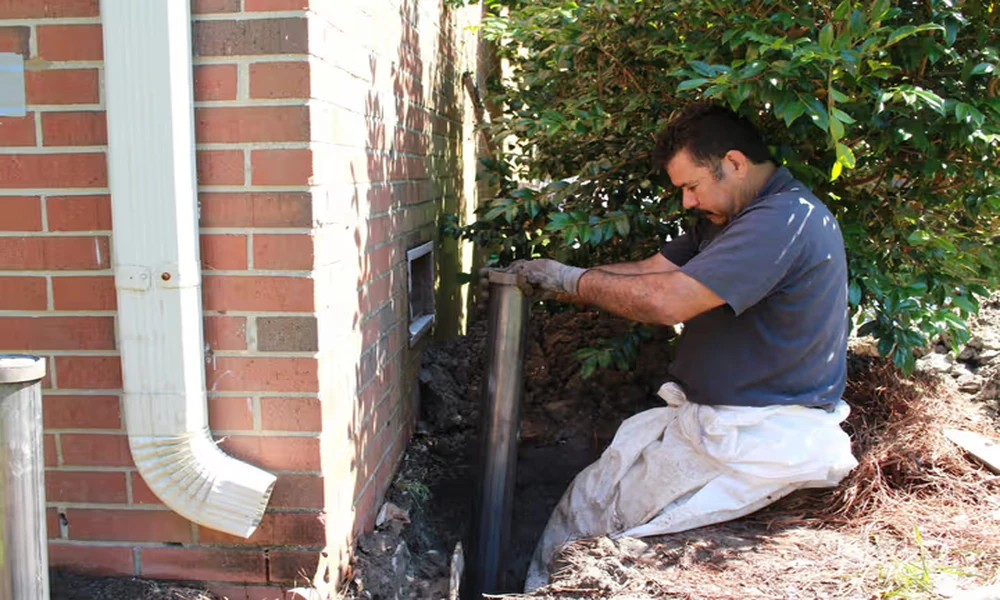
Parallel to structural work, water management is often a necessary component of basement repair in North Dakota. Even the most robust foundation can be compromised if water is allowed to pool against the exterior walls. Improving gutters, downspouts, and the exterior grading is often a part of the long-term solution. In some cases, interior drainage systems or sump pump installations may be suggested to manage the water that naturally moves through the soil around the basement, keeping the space dry and reducing the pressure against the concrete.
Working Toward a Durable Outcome
Navigating the process of foundation repair in North Dakota requires patience and a systematic approach. It is helpful to treat the repair process as an investment in the home’s long-term health. When seeking professional assistance, prioritize providers who take the time to explain the rationale behind their findings. Ask questions about the longevity of the proposed solutions, how they integrate with the existing structure, and what measures can be taken to prevent future issues.
A provider who is committed to transparency will be able to share information about their techniques, explain why one approach is favored over another for your specific situation, and discuss the long-term expectations for the repairs. Taking the time to understand these options ensures that the work performed is appropriate for the needs of the home and provides lasting peace of mind.
Addressing these challenges is a part of homeownership that can be daunting, but it is manageable when approached with a focus on understanding the mechanics of the structure and the environment. By keeping an eye on the health of the basement and acting with care when changes arise, homeowners can protect their investment and maintain the stability of their living space. When you notice signs of movement, reaching out for an early assessment is a sensible way to keep small issues from developing into more extensive projects later on.