
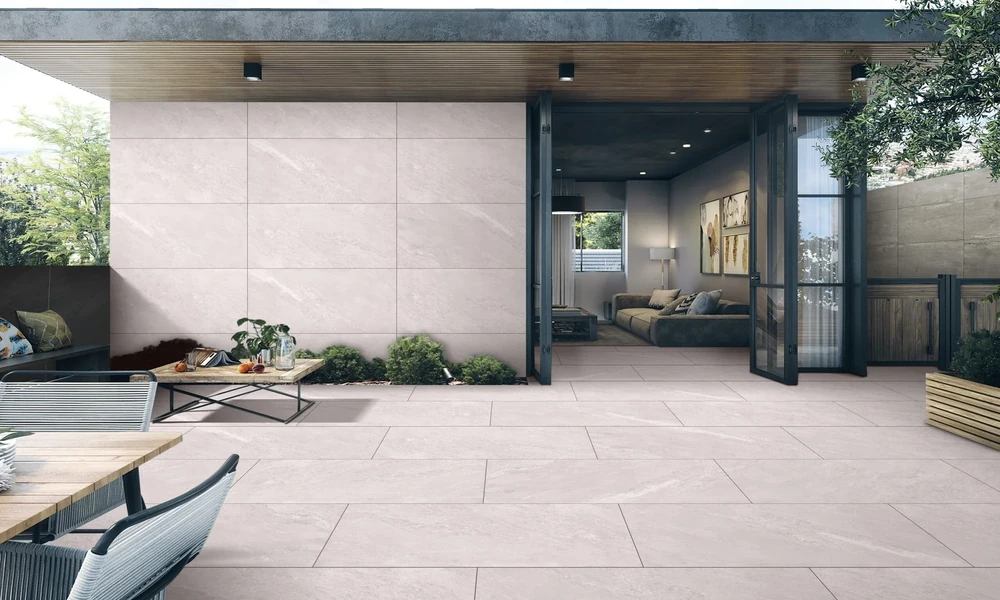
Sunlit patios and serene garden pathways deserve surfaces that look stunning and perform flawlessly. Porcelain tiles fit that bill, but the selection process can be overwhelming without knowing what really matters. Here’s how to navigate the options and make the right choice for your outdoor haven.
What Are Porcelain Tiles and Why Are They Ideal for Outdoor Spaces?
Porcelain tiles are engineered from refined clay, fired at exceptionally high temperatures. This dense construction gives them an edge in toughness and versatility. Unlike basic ceramic tiles, porcelain absorbs less moisture, making it better suited for outdoor conditions where rain, snow, and fluctuating temperatures are the norm.
While natural stone, concrete pavers, and wood are classic choices for outdoor flooring, porcelain tiles offer a compelling blend of aesthetics, longevity, and low maintenance. Where wood can warp and stone may require sealing, porcelain remains colorfast and crack-resistant with minimal upkeep.
How Does Durability Influence Outdoor Porcelain Tile Selection?
Outdoor surfaces endure a barrage of sun, rain, frost, and foot traffic. That’s why durability factors top the list when evaluating porcelain tiles for external use.
Porcelain’s low porosity means it resists rain infiltration and stands up to freeze-thaw cycles that can shatter less robust materials. Good-quality tiles also resist scratches and chips, an essential quality for high-traffic areas or spaces where furniture gets dragged around.
Another frequently overlooked factor is slip resistance. Look for tiles specifically rated for outdoor use, often labeled with a slip resistance grade or R-rating. Surfaces with a matte or textured finish tend to provide safer footing when wet.
What Design and Aesthetic Factors Should You Consider?
An outdoor space should feel like a natural extension of your home, and porcelain tiles excel in design flexibility. Today’s offerings span a wide palette: earthy browns, sleek greys, crisp whites, and even vibrant greens or blues. Textures range from stone-like to ultra-modern, while finishes include glossy, matte, or carved effects. For example, Club Ceramic Tiles feature an extensive variety of colors and finishes that can adapt to nearly any design vision.
Size and shape matter, too. Large slabs such as 24″x48″ create a seamless modern look, perfect for patios or pool decks, while smaller sizes like 12″x12″ or unique formats (think subway tiles or wooden strips) can highlight pathways or accent walls. Matching your tile choice to existing outdoor decor or landscaping helps create a harmonious atmosphere.
How Important Is Water Absorption Rate in Outdoor Porcelain Tiles?
In outdoor settings, water absorption is not just a technical detail, it is a make-or-break factor for longevity. Porcelain tiles designed for external use typically have an absorption rate below 0.5 percent, which minimizes the risk of water seeping in and causing cracks during winter freezes. Especially in cold climates, choosing frost-resistant porcelain tiles is vital to prevent costly damage.
What Installation Challenges and Requirements Exist for Outdoor Porcelain Tiles?
Getting the installation right is almost as important as selecting the perfect tile. The surface (or substrate) must be well-prepared, level, stable, and free of debris. Since outdoor environments are harsher, using the proper adhesives and grouts formulated for exterior use is non-negotiable. These products ensure strong bonds that withstand temperature swings and moisture.
For homeowners who enjoy DIY projects, small installations may be feasible. However, larger or complex layouts typically benefit from professional expertise, especially when dealing with slopes for drainage or tricky patterns. A professional job often pays off in the form of longer-lasting, trouble-free results.
How Does Maintenance Affect Your Porcelain Tile Choice?
Porcelain’s dense structure makes it inherently resistant to staining and fading. Regular sweeping and occasional mopping with mild soap are usually enough to maintain its appearance. Darker tiles may show debris less, while lighter shades can brighten shady areas.
A major advantage is color retention, porcelain tiles hold their hue even after years of sun exposure. This makes them a smart, low-maintenance investment for outdoor areas that see heavy use.
What Is the Cost Range and How to Balance Quality with Budget?
Porcelain tile prices vary widely based on size, finish, brand, and origin. While you may find budget-friendly options, premium outdoor-rated tiles can justify a higher upfront cost with their extended lifespan and reduced maintenance needs.
| Factor | Budget Options | Premium Options |
|——————-|——————|————————|
| Price per sq.ft. | $3-$8 | $9-$20+ |
| Finish | Standard matt | Textured, carved, designer|
| Durability | Good | Exceptional |
| Frost resistance | Sometimes | Always |
Weigh initial investment against long-term value; a durable, high-quality tile may save money on repairs and replacements down the road.
Where Can You Source Quality Porcelain Tiles for Outdoors?
Not all suppliers offer the same breadth or quality of outdoor porcelain tiles. Look for established tile specialists who transparently list technical specifications (like absorption rate and slip resistance) and provide clear information on finishes, sizes, and intended use. Investigate reviews, ask for samples, and always verify that tiles are rated for outdoor environments before committing.
Reliable options like Club Ceramic Tiles offer extensive selections tailored to various outdoor design needs. Ensuring you see and touch samples before installation can prevent surprises and ensure a lasting outdoor transformation.
Choosing outdoor porcelain tiles is about balancing function, style, and budget. With the right knowledge, your patio or garden can look spectacular and stand the test of time.