
You reach the waterfront upkeep deck prior to the start of the first shift. A shattered bolt cannot be moved. A person places a propane torch next to the tank opening and states that the task will take 30 seconds.
Determining whether your project demands a dedicated fire watch service during operations like welding, torch-cutting, or grinding depends heavily on the surrounding environment and applicable safety standards. Under regulations like OSHA 1910.252 and NFPA 51B, an observer is explicitly required whenever combustible materials are within 35 feet, wall or floor openings expose adjacent spaces, or flammable vapors pose a flash-fire risk. For site managers, treating this requirement as a core safety protocol-rather than an optional extra-is essential for preventing catastrophic industrial accidents and ensuring full compliance during high-risk operations.
Before igniting a flame near a tank, vessel, or process area, hot work must be authorized. If burnable gas could be present, work must cease until the area is assessed and deemed safe.
The investigators determined that the torch probably caused the methane gas to ignite. The incident serves as a stark reminder: a permit, gas assessment, and safe work decision must precede a fire observation.
Flame-based operations must be permitted before a torch is lit.
Federal workplace regulations mandate that the hot-work area be inspected by the individual who approves cutting and welding activities. OSHA states that the person should determine the necessary precautions and, if possible, provide written authorization.
Fire codes, permit procedures, and enforcement specifics may differ depending on the jurisdiction. The authority having jurisdiction (AHJ) may impose additional permit conditions, notification requirements, or mandated observation periods. A building rule may also be more stringent than the lowest regulation.
That difference is significant. A fire observer is able to spot a small, developing fire, employ available equipment if the fire is still manageable, and trigger the alarm. A person monitoring the area cannot stand next to a suspected fire and somehow render it safe.
Container and concave rooms need a distinct hazard decision.
Before performing hot work, used tanks and containers must be cleaned, isolated, vented, and assessed. OSHA states that hot work cannot start on a previously used tank or container until flammable substances and vapors generated by heat have been dealt with.
The recent maritime event in New York included hot work conducted near an opening to a tank holding flammable gas. The lesson extends beyond vessels. Liquid waste systems, food preparation equipment, energy systems, chemical business, and upkeep tanks may contain hazardous atmospheres.
Do not assume an open hatch indicates proper ventilation. Do not consider a dormant process as evidence that gas is missing. Your effective safety procedure must assess whether evaluating, cleaning, purifying, isolation, or another repair method is necessary.
A fire observer has a precise role while working.
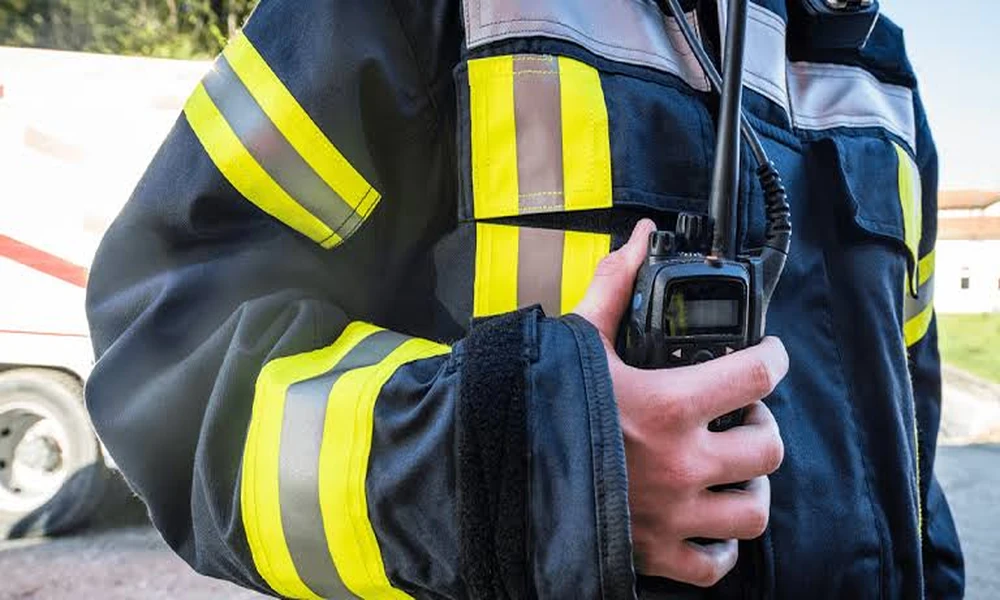
A fire watcher safeguards exposed areas, ensures extinguishing equipment is prepared, and understands how to trigger the alarm. The observer must stay alert to hazards resulting from the approved hot work.
Helpful facts.
- Name of the watcher and their assigned area of coverage.
- Checks on combustible materials and fire extinguishers.
- Alarm procedure and emergency contact route.
- Times for post-work inspections and any conditions identified